

New glasses should simplify things and not give you headaches, haze, or crazy distortion. If you continue to have headaches, blurriness, or odd distortions after adjusting, your prescription could be off.
This is how you can spot the red flags—and when to call your eye doctor.
Adjustment Period for Glasses Prescriptions
Do you have new specs? If your vision appears somewhat strange at first, don’t worry. You should expect to adapt—your eyes and brain adjust to the new lenses. It’s like wearing new shoes; it will feel wonky before it starts to feel normal.
Most people adjust in a few days to two weeks. New wearers or those with significant prescription changes may take closer to two weeks. If you wear progressive or bifocal lenses, stop using them for up to six weeks. Your brain needs time to adjust to looking at different distances.
Why does this happen? More powerful prescriptions, fresh lens shapes, or even changes in frame shape can leave you dazed for a bit. You may feel headaches, dizziness, or a “fishbowl” effect. This happens when the edges of your vision curve, like looking through a funhouse mirror. Unbalanced depth perception may cause you to stumble around stairs for a day or so.
To adapt to them, wear them without interruption—even if you want to switch back to your old ones. The more you wear them, the quicker your eyes adapt to them. Just don’t attempt to grit it out through awful pain.
If headaches and distortion persist for over a week, or you still squint after two weeks, visit your eye doctor. Your prescription might need adjustment, or your frames might not fit as intended.
A slight uneasiness is natural. But if things don’t calm down, believe your instincts—it might be more than an adjustment period.
Key Signs Your Glasses Prescription Might Be Wrong
New glasses should not complicate life but rather clarify it. We understand that your lenses may not consistently deliver their best performance. Still, our goal is to ensure that your glasses enhance your vision and make life easier.
Here’s how to tell when your prescription is incorrect—and when to contact your eye doctor. Spotting and fixing a wrong prescription can be freeing. It helps you take charge of your vision health.
1. Blurry Vision That Won’t Stop
Have you had blurry vision for an entire day or two? That’s normal. After two weeks, is your eyesight still blurry? Not very much. Something is wrong if street signs, lettering, or faces remain blurry even with glasses on. This could mean your prescription is too weak or too strong. It also indicates that someone made the lenses with errors.
You can do a fast test by covering one eye. If objects appear clear in one eye but foggy in the other, your prescription may be uneven. It’s time to recheck!
2. Headaches that outlast their welcome
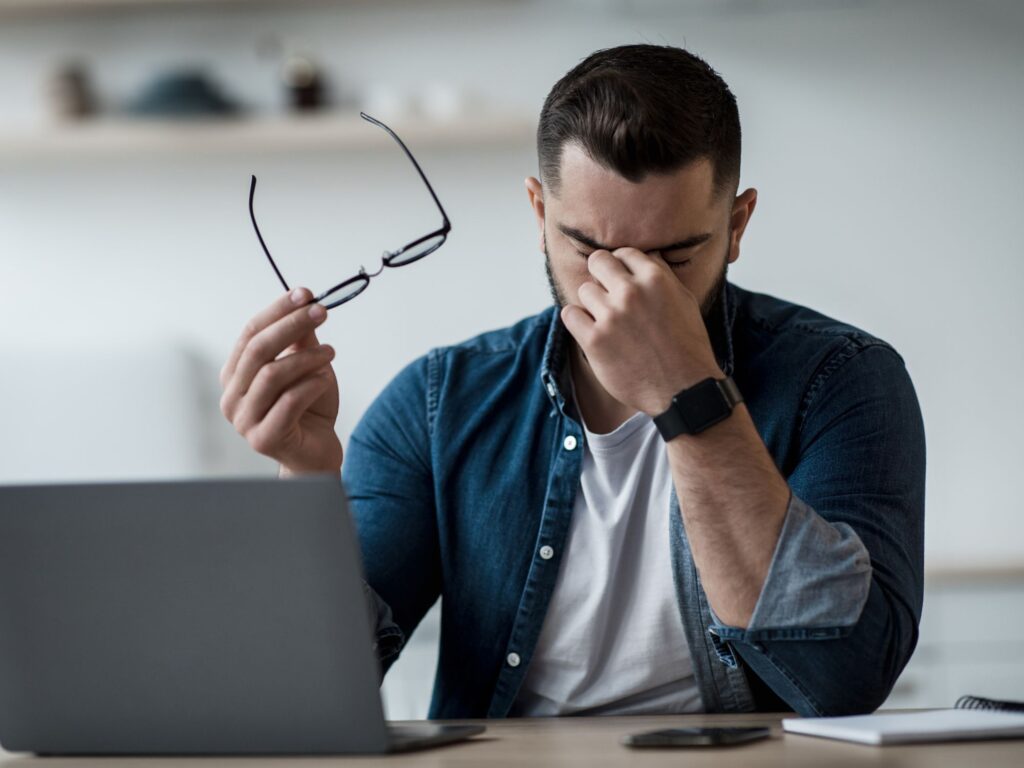
Occasional headaches throughout the adjustment period? Meh. Daily headaches that give you a tight grip around your temples? A big red flag. Wrong medications can make your eyes strain a lot. This strain leads to pounding headaches, especially after you drive, read, or spend time on screens.
If taking painkillers has become your new routine, it’s most likely because of your spectacles.
3. Eye Strain Feels Like a Marathon
You should not feel tired in your eyes after wearing glasses. Your prescription might be wrong if you scratch your eyes, squint often, or feel as if you have run a marathon with your eyes. This usually happens when your lenses don’t fit your vision needs. For example, using reading glasses for distance vision or vice versa can cause issues.
4. Dizziness, or “Drunk Vision”
Feeling wobbly or unbalanced? Do you experience vertigo when you wear glasses? Wrong prescriptions can change how you see depth, making the world look tilted or shaky, like in funhouse mirrors. This is especially prevalent with progressives or bifocals, as the lens zones may not align with your eyes.
5. Double Vision or Funky Distortions
Seeing a double of everything? Or do the edges appear twisted as if you’re looking through a fishbowl? These are not magic tricks; your glasses are waving a white flag. Double vision or distorted lines usually result from incorrect lens power or misaligned pupils with the lens centers.
6. Squinting like there’s no tomorrow
Are you squinting from time to time? Normal. Are you squinting as if you are judging a pie contest? Not excellent. If you have to squeeze your eyes shut to focus, your glasses are too weak or designed for someone else’s eyes.
7. Light Sensitivity: That’s harsher than reality television
Are new glasses making sunshine seem like a laser beam? Do the workplace lights become blinding all at once? Some glare is usual with anti-reflective coatings. Yet, if you have severe light sensitivity, your prescription might be wrong or need a lens change.
8. One Eye Gets Left Out
Close one eye. Now, the other. The prescription may be unequal if one eye sees well while the other remains in fog mode. This occurs if one lens is sharper than necessary, confusing your brain and requiring one eye to do all the heavy lifting.
When to Raise the Alarm?
Do not ignore:
- Symptoms that linger for more than two weeks.
- Nausea or vertigo can make ordinary chores unsafe, such as driving.
- Sudden visual changes, such as black patches or flashes.
Your glasses ought to be like helpful companions, not foes. If they’re causing more issues than they’re solving, follow your instincts. Schedule a follow-up with your eye doctor, who will check your prescription, adjust the fit, and look for problems like warped lenses.
Remember, professional help is always available to ensure your vision is at its best.
Common Causes of Incorrect Glasses Prescriptions
Do your new glasses still feel “off” after the adjustment period? Sometimes, the problem isn’t your eyes but the prescription itself.
Here’s an explanation of why your glasses may not work (and how to fix them).
1. Oops! Occasions During the Eye Examination
Eye examinations are not infallible. Suppose you feel fatigued, hurried, or are squinting in a dark room during your test. Your responses about which lens seems “clearer” may have been incorrect. Even minor errors like a misspelling in your prescription or misunderstanding the chart can result in lenses that do not fit your eyes.
Pro tip: Always schedule eye tests when you are well-rested. Also, speak up if you are unclear about your options during the test!
2. Your eyes changed. Again
Vision is not static. Children’s eyes change as they grow. Adults often deal with age-related issues. One common problem is presbyopia. This means they need to hold books farther away to read. Also, health problems like diabetes or high blood pressure can impact vision. Even extensive screen time can be hard on your eyes, making your previous prescription seem obsolete.
The solution is to schedule checks every 1 to 2 years. Your eye doctor can detect abnormalities at an early stage.
3. Lens Lab Mix-ups
Imagine buying a latte and receiving herbal tea. This happens when labs make lenses with the wrong power, place them off-center, or use poor materials. Progressive or bifocal lenses can be tricky. If the “zones” for near and far vision aren’t aligned well, it can feel like a maze.
Red flags include blurry edges, impaired vision, and persistent headaches.
4. Frames That Attack Your Face
Glasses that slide, pinch, or misalign can destroy even the best prescription. Lenses should have a precise alignment with your pupils. When your frames are too broad, tiny, or angled, they distort your view as if you were looking through a funhouse mirror.
A quick check will determine if your eyes align with the center of each lens. If not, see an optician for adjustments.
5. Hidden Eye Surprises
Blurred vision isn’t always caused by a prescription—it might be a sneaky eye ailment. Cataracts, dry eye, and keratoconus (cornea thinning) can all resemble prescription difficulties. Even previous eye injuries or operations may impact how glasses function for you.
Do not disregard sudden changes in eyesight or discomfort. These need immediate professional treatment.
6. Online Orders Went Wrong
Are you looking to order glasses online? It is dangerous. If you mismeasure pupillary distance or fit the lenses in a way that does not match your needs, your glasses may feel like someone else’s.
Play it safe and get your first pair from a reputable facility. Use internet stores just for backups or minor medications.
The majority of prescription mistakes are fixable. If your glasses still cause trouble after 2 weeks, don’t wait. Schedule a follow-up appointment. Your eye doctor can change your prescription, look for hidden problems, and adjust your glasses.
What to Consider If You Notice a Problem?
If your glasses feel goofy, intervene without delay.
- Track any symptoms, such as headaches or blurred vision, and compare how things seem with and without your glasses.
- Check your prescription. Look for mistakes on the slip (for example, inverted digits for astigmatism).
- Visit your eye doctor. Bring your new and old glasses to your visit; they will detect problems immediately.
- Know your rights. According to the FTC, you may get your prescription for free following a checkup with no sales pressure.
Prevention Tips: Keep Your Glasses Game Strong
Don’t allow a bad prescription to destroy your mood. Here’s how to avoid glasses trouble before it happens:
- Book Checkups Like Clockwork: Get your eyes checked every 1-2 years (or sooner if things go hazy). Vision changes appear over time, like unread texts; regular checkups identify issues at an early stage.
- Speak the Truth During Exams: Tired? Stressed? Tell your eye doctor. Even “small” things like migraines or squinting at Netflix are essential. Honesty equals more precise prescriptions.
- Ditch Screens Before Appointments: Avoid a four-hour TikTok marathon before your exam. Screen strain might deceive your eyes into providing incorrect responses.
- Choose pros with Perks: Buy glasses from stores with good return policies. If a mistake occurs, reputable shops often redo the lenses at no charge.
- No Sharing, No Glare: What about your BFF’s glasses? They have cute frames but a horrible concept. Their prescription differs from yours. Also, put on UV-blocking sunglasses—sun damage is real.
- Relax Before Your Exam: Stress alters outcomes. Take deep breaths, forgo the triple espresso, and arrive with a sense of calm.
- Frame Fit Matters: Are your glasses sliding down? Tight behind the ears? Request modifications. Do not use DIY hacks; lenses must line up with your pupils.
- Screen Breaks. Save Eyes: Follow the 20-20-20 rule: every 20 minutes, focus on something 20 feet away for 20 seconds. Your eyes will thank you.
- Online orders? Double-check: If purchasing online, triple-check your prescription numbers. One misspelling equals hazy doom.
- Speak Up If Something Feels Off: Are new glasses creating headaches after a week? Don’t suffer in silence. Demand a recheck; it’s your right.
Conclusion
Don’t dismiss faulty eyesight or everyday headaches; wearing glasses shouldn’t be a chore. Trust your instincts, schedule a checkup, and regain your clear vision. Life is too brief to have “meh” vision.


