Why It’s Important to Ask Questions
There’s this thing that happens at almost every doctor’s appointment. You sit there, nod your head, and go home without really feeling like you know much more than when you arrived. It’s not your fault. Doctors talk fast. Clinics are busy. You’re trying to be a good sport, not hog their time. So you smile, grab the little prescription slip, and leave, still wondering what half of it meant.
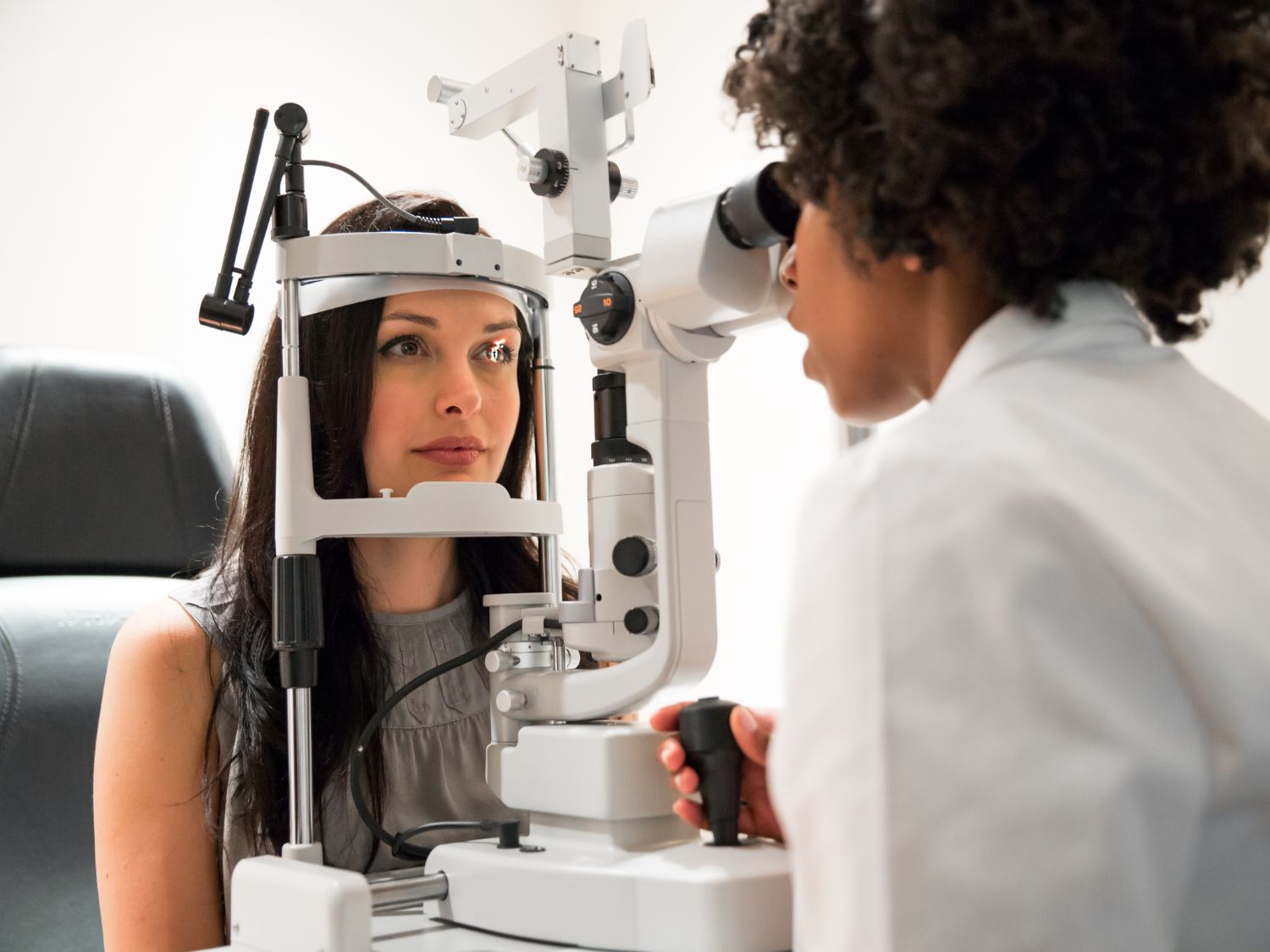
I’ve been there too many times to count. Especially with eye appointments. The optometrist flips through those lenses on the big mask contraption and says, “Better here? Or here?” (Anyone else have the worst indecision during this test??) She rattles off a few terms like “optic nerve head” or “early presbyopia,” and before you know it, you’re thanking her and walking out. And somewhere between the parking lot and your living room, it hits you: Wait, was everything actually fine? Should I have asked something else?
Most people figure they’ll just wait until the next appointment to bring it up. Trouble is, that’s an expensive way of thinking. Eye diseases like glaucoma or macular degeneration don’t usually come with a big neon warning sign. They creep in slow. And by the time you notice something’s really wrong, the damage can be permanent.
Alright, we’ve got the bad news behind us.
The good news is you don’t need a medical degree to take proactive care of your eyesight. You just need to know how to ask better questions. And yeah, it might feel a little awkward at first to raise your hand like you’re back in third grade. But if asking a few extra questions today means catching something early, it’s worth it ten times over.
Doctors actually appreciate it when patients speak up. Trust me, after transcribing thousands of medical notes, I can tell you: the patients who ask good questions usually get more thoughtful answers. When you show that you’re paying attention and you care about the details, it encourages your doctor to slow down a little and explain things more clearly. As they say, the squeaky wheel gets the grease.
And nobody knows your body better than you do. If something feels different, off, or just plain strange, you have every right to ask about it.
Here’s another thing: your eye exam is your time. You’re paying for it. You took time out of your day to be there. You deserve to walk away with the answers you need about your health.
So, when you’re sitting in that chair and you feel that old, familiar urge to just nod and get out fast, take a breath. Pull out the little note you made ahead of time. Speak up. Your future self will be glad you did.
In the next sections, I’ll walk you through five specific questions you can bring with you to your next eye appointment. These questions can make a difference in the way you care for your eyes going forward.
Question 1: “What’s My Risk for Eye Diseases Like Glaucoma, Macular Degeneration, or Cataracts?”
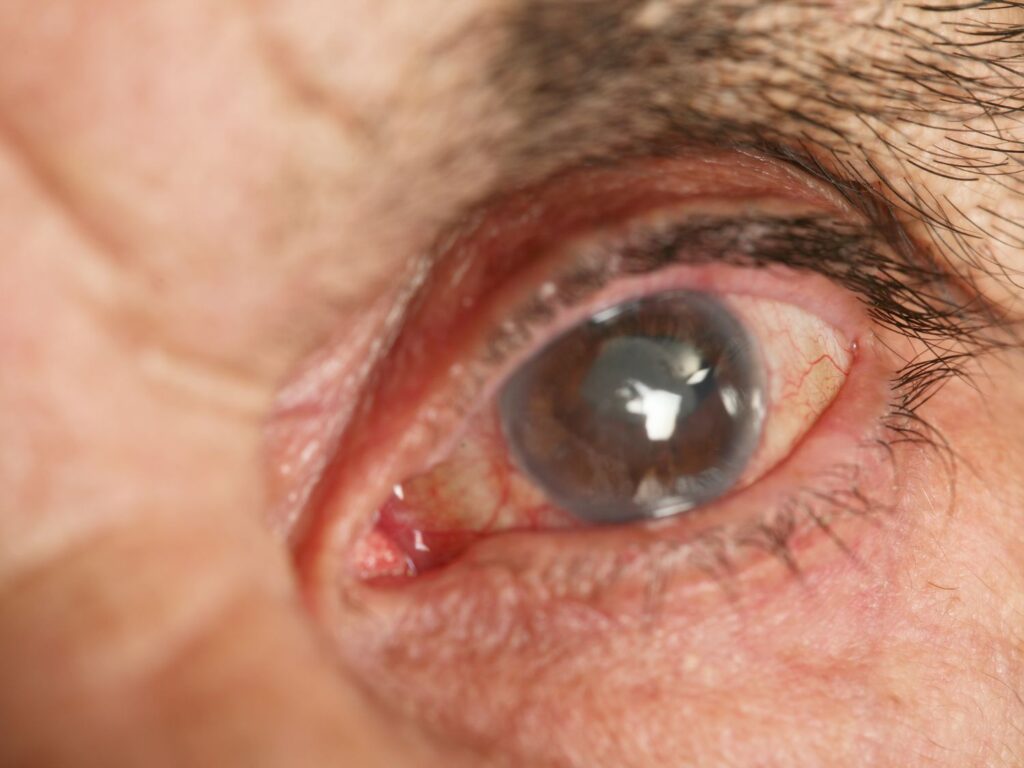
Too many people think that if they can still read road signs and thread a needle, then their eyes are fine. That may not necessarily be the case, however. A lot of the most severe eye disease creeps on unawares, with no obvious symptoms until the damage is done. Glaucoma, for instance, can steal your peripheral vision over time without you even noticing. Macular degeneration can blur your central vision over years. Cataracts can insidiously creep in so slowly that you don’t even realize how much you are adapting until you see how clear everything is after surgery.
That’s why it’s so important to ask about your personal risk. Your doctor knows more than what they can find on the chart. They know your medical history, habits, family history, and age. They can spot early warning signals you are not even aware of. If you are at higher risk for particular conditions, they might recommend earlier or more frequent screenings, or even small lifestyle modifications that can save your vision for the long run.
Straight talk: few people mention it because they do not want to hear the worst. But not asking is not necessarily choosing trouble. It only means you’re giving yourself an even break for catching things in the early stages when it is still worthwhile.
Question 2: Are the Changes in My Vision Normal for My Age?
Here’s something you might not know: aging alters your eyes just as it alters your knees or your back. Certain shifts in vision are just part of the ride. Presbyopia, for example, happens to almost everyone after a while. That’s when suddenly small print is hard to read up close. It’s not a disease. It’s just the lens of the eye hardening with age, so it is harder to focus on something up close.
Not all changes are explained by “growing older,” however. Sudden bluriness, loss of field of vision, wavy lines in your visual field, lots of new floaters — those are signs of more serious disorders that should be treated. Your doctor should help you sort out the normal from the not-so-normal.
This question does double duty. One, it allows your physician to come clean with you about what will happen as you age. Two, it allows them to mark down anything that doesn’t conform to the normal trend, which may protect you from overlooking warning signs early on.
Fast tip: it is useful to write down any new symptoms you experience, no matter how insignificant they might be. Bring that list along. Sometimes the small things make the biggest picture when you collate them.
Question 3: Are There Any Lifestyle Changes I Should Consider to Protect My Eyes?
Most individuals expect to walk out of an eye exam with a new glasses prescription, maybe a contact lens recommendation, and that’s all. What your doctor does not always explain (unless you ask) is how much your everyday habits can enhance or harm your vision in the future.
Small things like diet, exercise, time in front of screens, and use of sunglasses can all make a big difference. And if you smoke, for example, your risk of macular degeneration and cataracts goes through the roof. Constantly sitting in front of computers or phones without taking a break will wreak havoc on your eyes and could lead to bigger problems down the road. And sunglasses when you’re out? That’s not all about being cool. It’s about safeguarding your eyes from UV damage that accumulates year after year.
When you ask this question, you’re opening yourself up to guidance that goes far beyond corrective lenses. A good eye doctor should be able to tell you whether there is something you can change in your daily life that can assist in keeping your eyes healthy. Maybe it’s just better lighting in your home workspace. Maybe it’s introducing more greens or omega-3s into meals. Or maybe it’s even something as simple as taking short hourly breaks to look away from computers if you are a computer professional.
You don’t have to turn your world around tomorrow. But a bunch of small changes, compiled over time, can keep eyes a whole lot healthier in the long run.
Question 4: Is This Change Normal for My Age?
Here’s a question that not many people ask — and it’s a great one. Because not all little changes are indicators that something terrible is happening. Sometimes, it’s just the deal that comes with getting older. Other times, it’s a sign that you need to pay more attention (pun entirely intended).
Your doctor can fix that for you, but only if you say something. If your near vision is starting to get a little blurry, or you’re noticing a whole lot more floaters than you used to, it might be perfectly normal for your age group. It might be something like presbyopia, which sounds scary but is just the fact that your eyes are getting a little stiff and it takes more effort to focus up close. Happens to nearly everybody sooner or later.
But if something is not right — like one eye aging more quickly than the other, or flashes of light — that is not “normal aging.” That is something which needs to be explored.
Asking this question makes it easier to stop worrying about the harmless stuff and to focus on the things that might need action. Plus, you’ll walk out of the appointment with a clearer idea of what to expect five or ten years down the line, instead of feeling like you’re waiting for the next surprise to hit.
Question 5: Is There Anything I Should Be Watching Out for Before My Next Appointment?
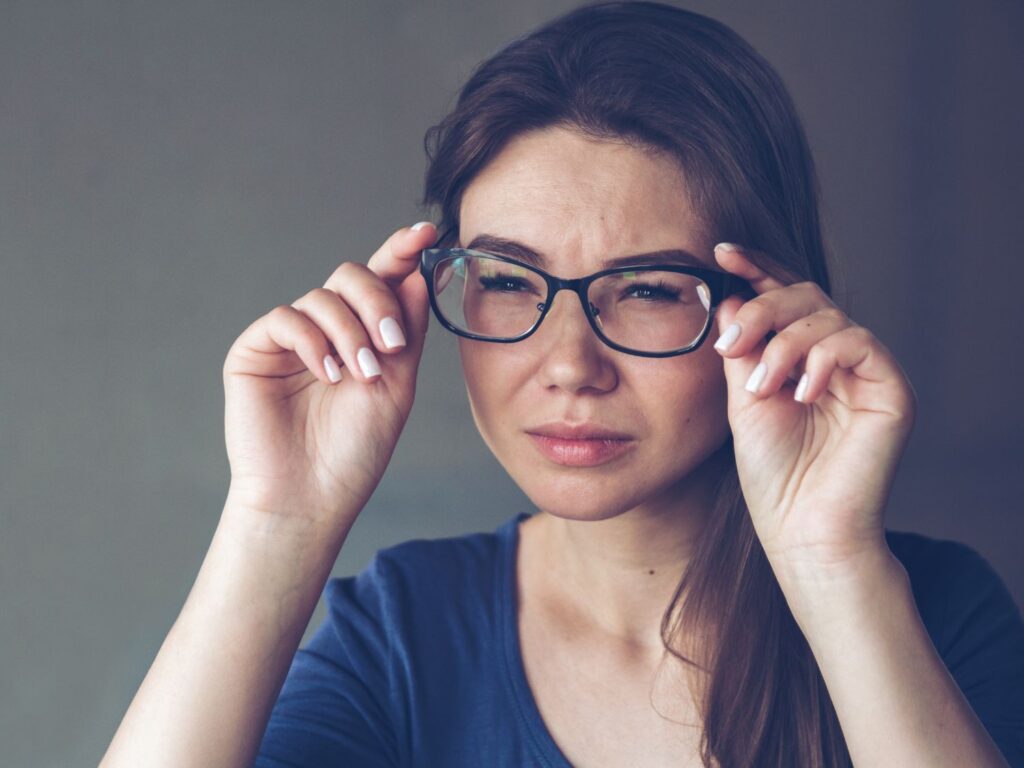
This is a sleeper hit. It might sound silly, but it really gives you an edge when it comes to taking care of your eyesight between appointments.
Most people believe that if something major was wrong, the physician would have noticed it. And indeed, many things arise in a routine eye test. But there are diseases — like glaucoma, retinal detachment, or diabetic retinopathy — that become increasingly worse between check-ups every year without much obvious warning sign.
By inquiring about this, you inform your doctor that you’re open to doing something. It gives them the chance to warn you of minor changes to notice, like temporary blurry spots, flashes, new floaters, or even the slightest variation in peripheral vision.
It’s a smart method for catching issues before they become tougher (and costlier) to repair. And it also obviates the “Was I overreacting?” worry. If something does change, you’ll know you’re not imagining it, and you’ll know it’s worth coming in for an earlier visit.
You don’t have to become a card-carrying hypochondriac. You’re just getting yourself caught up on your own health — and that’s where you should be.
Print This Prior to Your Upcoming Eye Exam
Bring this list along with you and keep it handy when you meet with your eye doctor. It is easy to become frazzled or forgetful of what you wanted to inquire about once seated in the chair.
Questions to Ask:
☐ Are there any signs of eye disease at an early stage that I need to be aware of?
– Inquire regarding conditions common to your age, health, and family history.
☐ Are there any lifestyle changes I can make to protect my vision?
– Like quitting smoking, diet modification, eye protection at work, or increased use of sunglasses.
☐ How often should I come in for exams based on my current level of eye health?
– If you’re at higher risk for issues, you might need more than a yearly visit.
☐ Is this change in vision normal for my age?
– Get real discussion about what’s aging and what might require more attention.
☐ Are there warning signs that I should watch out for between the time I have now and the time of my next appointment?
– What it’s okay to pay attention to, and when it would be a reason to call the office sooner.
Extra Notes Section:
(Leave some space for people to write down whatever something their doctor says, like:
- “Watch for new floaters.”
- “Return sooner if headaches happen more often.”
- “Start to wear blue light glasses at work.”
Quick Tips:
- Don’t be shy. No question is “dumb.”
- If something isn’t making sense, make the doctor define it in English.
- Take a break. Physicians are used to explaining things to you — that’s what they do.
- If you tend to forget instructions verbalized to you, ask them to put something in writing or send a summary by email.
Final Thoughts: Why These Questions Matter
A visit to the eye doctor shouldn’t be like a pop quiz where you sit there nodding along, hoping you pass. It should be like a real conversation — one where you leave knowing a little more about your eyes, your health, and what’s next.
It’s not about challenging your doctor or being a “difficult patient.” It’s about getting the information you need to take better care of yourself. You’re paying for their expertise. You deserve clear answers, not medical jargon or a two-minute rush out the door.
I’ve seen too many people, myself included, leave appointments with a prescription in hand but no idea what just happened. A few smart questions can change that. It makes the whole thing less stressful, and way more useful.
Next time you’re sitting there with the eye chart and the air puff machine, pull out your list. Take a deep breath. Ask what you came in to ask. Your future self will thank you.
Thanks for reading — and if you found this helpful, go ahead and pass it along to someone who’s got an eye exam on the horizon. They’ll thank you.


