
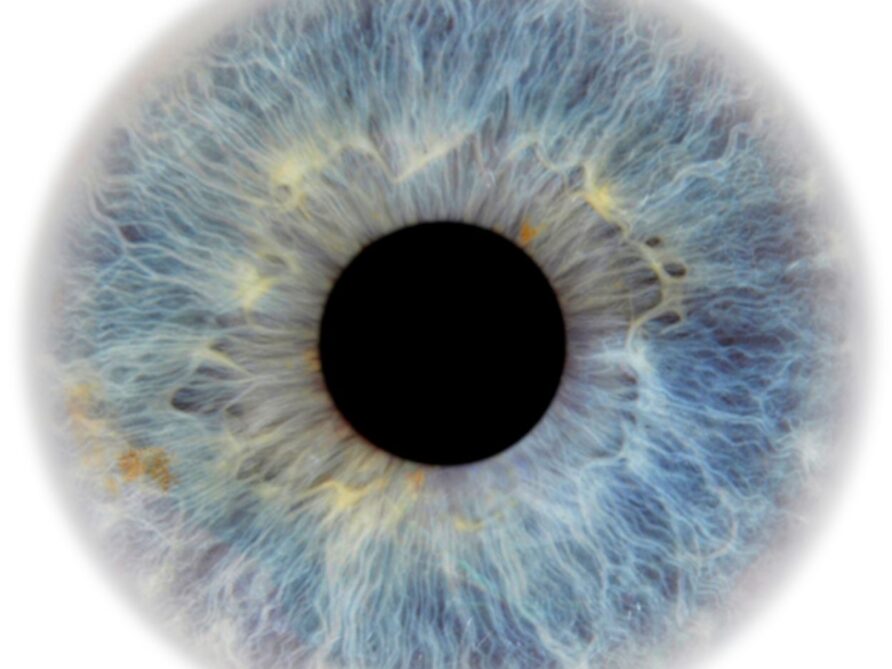
Most people think about the eye doctor once every year, maybe, if they happen to remember. And usually, it is about getting new glasses, or figuring out why the world is a little blurrier than it was in the past. I get it. I used to think the same way.
But what I’ve learned — after years of reading medical reports and listening in on real doctor-patient conversations — is that your eyes can reveal the earliest warning signs of a much bigger health problem. Sometimes before you’re even feeling sick. Sometimes before a blood test would even show it.
I know it doesn’t make sense. You wouldn’t think a blurry spot or a little pressure in the eyes would announce something as significant as high blood pressure, diabetes, or even a neurological issue. But the truth is, your eyes are small messengers, and if you listen, they’ll tell you a lot about what’s going on in the rest of your body.
This is not a matter of attempting to make you paranoid each time you get an eyelash in your eye. This is a matter of staying alert and noticing when something does not feel correct. This is a matter of discovering things early, when they are easier to treat.
So let us talk about why your eyes are such a valuable window to your health.
Why Your Eyes Are a Window to Your Health
You’ve probably heard that saying, “The eyes are the window to the soul.” Well, turns out they’re the window to your arteries, your nerves, and your overall health too.
Here’s the thing most people don’t realize: your eyes are one of the only places in your entire body where a doctor can look directly at blood vessels, nerves, and connective tissue without needing surgery. When your eye doctor looks into the back of your eye during an exam — the part called the retina — they can see small arteries, veins, and the optic nerve. That’s a direct glimpse at your body’s wiring and plumbing.
If those blood vessels seem twisted, narrowed, leaky, or blocked, it can be a clue to something bigger going on somewhere else. High blood pressure, for instance, usually shows up as extremely subtle changes in the blood vessels in the eye. Diabetes can show up as tiny spots of bleeding or swelling in the retina long before you even notice anything wrong with your vision.
It’s not just the blood vessels, either. The optic nerve — the cable that carries information from your eyes to your brain — can swell if there’s pressure within your skull. That can be caused by something as serious as a brain tumor, a bleed, or an infection of some sort.
Even subtle changes, like mild inflammation in the eye, can sometimes suggest autoimmune conditions. I once read a report where a woman had red, dry eyes, and it was one of the first presentations of rheumatoid arthritis setting in.
So when your eye doctor is flashing that big light and saying, “Look straight ahead,” they’re not always checking for glasses prescriptions. They’re checking your whole body’s wiring and fluid system. It’s one of the only non-invasive windows into your vascular and nerve health that modern medicine has.
Now, having an odd symptom doesn’t always mean that you have a large disease. I don’t need you running around in a frenzy every time your eye gets slightly dry. But if something’s different and it doesn’t clear up within a day or so? If your vision blurs suddenly or you’re noticing flashing lights? That’s the time to heed what your body (and your eyes) might be trying to tell you.
Then, we will get into some of the specific vision symptoms that you should not ignore.

Vision Symptoms You Shouldn’t Ignore
Alright, now let’s discuss the things that should perk your ears a bit. These are the kinds of changes in vision that, in my view, are never something to wait and see about.
You don’t have to go crazy at the first sign of some dryness or eye strain after staring at a computer for hours. But at the first sign of any of these, you’d better call up the eye doctor. Even if it is nothing, it is better to check things out early rather than be sorry later.
1. Sudden Blurry Vision
If your eyes suddenly become fuzzy, as if someone rubbed petroleum jelly on your glasses, that is not to be dismissed. Particularly if it occurs in just one eye.
Sometimes, fuzzy vision is just simply something simple like dry eyes. But sometimes it can also be the first symptom of something far more dangerous like a retinal detachment, an eye stroke, or even an untreated diabetes. In some cases, it’s how people learn they have blood pressure that is life-threateningly high.
I don’t know how often I dictated a doctor’s note in which a patient said, “I thought it would clear up on its own.” If it’s something serious, you want it to be diagnosed immediately, not weeks after you’ve been wondering.
2. Flashes of Light or New Floaters
Seeing fleeting flashes of light in your eye — like small camera flashes that aren’t really there — is a sign. So is noticing a lot of new floaters (those small squiggly lines or dots that drift through the field of vision when you move your eyes).
Now, floaters naturally happen with age. They’re part of the inside gel of your eye transforming over time. But a sudden *shower* of flashes and floaters can mean that the retina, the back wall of your eye, is ripping or peeling off.
That’s an eye emergency. You can lose your vision permanently if it’s not caught soon enough. So if you ever see a new onset of floaters or flashes, call an eye doctor the same day. No delay.
3. Eye Pain or Pressure
Eye pain or pressure in the eyes isn’t normal. It may mean several things, some more serious than others.
It may be simply a plain old infection, like pink eye. It can be acute angle-closure glaucoma, but then the pressure inside the eye comes on quickly and jeopardizes your vision. It can cause headache, nausea, blurry vision, and rainbow-colored halos of light.
It’s misleading since most individuals just think they’re experiencing a migraine. That is why it’s important to get it checked out, especially if the eye itself hurts or vision gets cloudy with it.
4. Loss of Side Vision
The other red flag is losing your peripheral (side) vision. Occasionally, people don’t even realize it at first because it develops gradually. They simply begin bumping into door frames or getting into difficulty seeing cars coming in from the side.
Loss of peripheral vision can occur for a multitude of reasons, but glaucoma is one of the major ones. It slowly damages the optic nerve and steals your side vision first.
Early detection of glaucoma can be a huge help. There are things that can slow the process, but once the vision is gone, it’s gone for good. That’s why yearly eye exams — not just buying reading glasses at the pharmacy — are the way to go.
5. Double Vision
If you start seeing two of everything (and you haven’t been partying), that’s something to take seriously.
Double vision might indicate a problem with muscles that move your eyes, or possibly a nerve problem. At times it’s the initial sign of conditions like multiple sclerosis, a mini-stroke, or a nerve palsy due to diabetes.
It isn’t always scary — it also has innocent causes — but isn’t something you’d want to try to self-diagnose with Dr. Google. Get it checked out properly.
Health Conditions Often Spotted First Through Eye Exams
Your eyes aren’t windows to the soul only — they’re windows to your body. Eye doctors can occasionally detect gigantic health issues before you realize anything else is wrong. Here are some of the biggies.
Diabetes
One of the most common things that eye doctors diagnose early is diabetes. When blood sugar is high for a long time, it starts to affect the tiny blood vessels in your eyes. This is diabetic retinopathy.
Sometimes, people find out they have diabetes when their eye doctor sees bleeding or swelling in the back of their eye during a routine eye exam. You may be perfectly healthy — no crazy thirst, no debilitating fatigue — and still have early signs in your eyes.
Early detection of diabetes does make a difference. It provides you with a greater opportunity to manage your blood sugar and avoid permanent damage not only to your eyes, but to your heart, kidneys, and nerves as well.
High Blood Pressure
Another that prefers to sneak around unobserved is high blood pressure. Most don’t pay any attention until it has already completed its work.
If your blood pressure’s too high, it can change the blood vessels of your retina. They might look like they’re narrowed, kinked, or even burst and leak. Eye doctors might even be able to see this damage and send you directly to your primary care physician before it gets worse — like a heart attack or stroke.
Neurological Disorders
The optic nerve is within your central nervous system, so problems there can at times reflect bigger neurological issues.
For example, optic nerve swelling, also known as papilledema, can be found during a normal eye exam and be a sign of something serious like a brain tumor or increased intracranial pressure. MS (multiple sclerosis) can also first show up with vision problems — especially sudden double vision or difficulty with eye movements.
Again, sometimes your eye doctor is the very first to catch on to these things. And sometimes catching them early can save your sight — or even your life.
Autoimmune Diseases
Certain autoimmune diseases like lupus, rheumatoid arthritis, and even inflammatory bowel disease have early warning signs that manifest in your eyes.
Inflammation in the eye (known as uveitis) can cause redness, pain, and sensitivity to light. It’s not just an eye problem. It can be a flashing neon sign that your immune system is broken somewhere else in your body.
The moral of the story? Your eyes are part of a much bigger system, and regular visits aren’t just about reading the fine print on a wall.

How to Be Your Own Advocate
Listen, nobody knows your body better than you. Even the best doctors in the world might miss something if you don’t share with them what you’re experiencing and noticing.
Here’s how to be a strong advocate for your own eye health (and your own health in general):
Speak Up About Changes
Even if it appears small or silly, tell your eye doctor any differences you notice in your eyesight. Floaters, flashes, bluriness, shadowiness — anything. You’re not “being a pest.” That’s precisely their job: to listen and investigate.
Ask Specific Questions
Avoid leaving the appointment wishing you had asked something. In case you don’t know what to ask, you can even write down some questions ahead of time. Some suggestions:
– Is there anything unique about the health of my eyes today?
– Do you observe any changes associated with disease that I ought to be aware of?
– Are my symptoms something I must bring up to my usual doctor?
Connect the Dots
If you have existing medical conditions such as diabetes, hypertension, or autoimmune disease, inform your eye doctor. They’ll have to look out for certain signs more attentively.
And if your eye doctor notices something that’s worrying, don’t just say “keep an eye on it.” Ask: Do I need to see a specialist? Do I need to check in with my primary care doctor? Get clear next steps.
Trust Your Gut
If you’re not feeling something is right — either in regard to your vision or with respect to care that you are being given — listen to yourself. You may always get a second opinion. You are captain of your ship.
Conclusion: Your Eyes Tell a Larger Story. Tune In!
The next time you schedule an appointment for an eye exam, remember: it’s not about glasses or contacts. Your eyes are connected to all of you. Occasionally they’re the first place larger health issues leave their imprint.
Vision changes can be an early warning sign for diabetes, high blood pressure, neurological issues, and more. Even things you might think are no big deal — like blurry spots, flashes, or new floaters — can be important clues. If you notice something, say something. Your eye doctor can’t see from your point of view. Only you know what’s different.
And don’t stop there. If your optometrist does discover something during an exam, insist on answers. Call your primary care physician. Ask the tough questions. Insist on the tests if your instincts are screaming something is wrong.
You don’t have to be a medical expert to stand up for your own health. You simply need to be willing to say, “This doesn’t feel right,” and insist on answers when required.
If you read something from this piece, let it be this: your eyes aren’t a stand-alone system. They’re a part of the story your entire body is telling. Paying attention to them could save you an early catch — and that makes all the difference.
Require more plain-English information such as this? Bookmark Medi-Type or sign up to receive a notification when new posts are posted. I won’t spam you, I promise. Just plain old talk about how to take better care of yourself, one tiny step at a time.
— Marianne


